Posted 7th April 2026 by Mongers Admin
Door & Cabinet Furniture
It is hard to over emphasise the importance of detail in architecture, interior design and most other aspects of life. It is the small details that make objects functional to use, comfortable to wear and gratifying to look at, enriching our lives wherever we find ourselves. So, consequently, I am rather obsessed by humble door knobs. As a salvage dealer, the first thing we did after stripping out a property was to spend time carefully removing all door and cabinet fittings and sorting it. So many doors can be improved dramatically by the addition of fine furniture, and a plain cupboard can be elevated with the addition of a lovely antique knob. These are the elements of your house that you are constantly touching. They need to be tactile, well-made and durable.
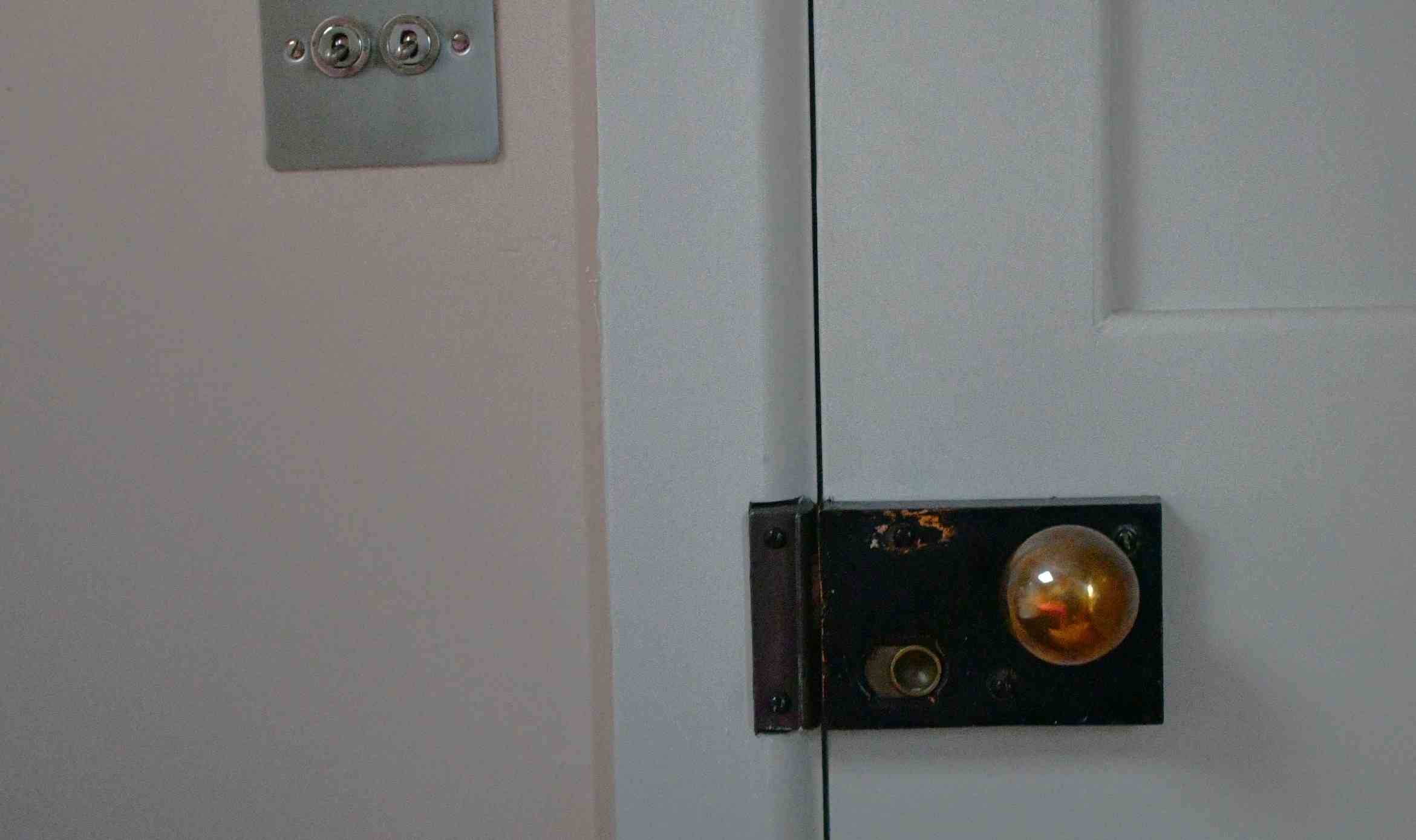
Quality antique knobs are nowadays hard to find, particular in sets. However, as salvage dealers, we often were offered items cleared from peoples’ sheds. Many carpenters and other tradesmen would keep all sorts of fittings in their tool sheds, removed from jobs over the years. We are very grateful to the ‘It’ll come in useful one day’ mentality. One day a retired builder came into the shop with boxes of vintage door knobs and rim locks, in large sets. I hastily counted the number of doors that were being proposed in the new build and put a good set aside. Simple spun rose brass round knobs on quality cast rim locks, probably dating from the 1930’s or a bit later, but simple enough to suit the aesthetic that we were aiming for. The chap that took them off the original doors and sold them to me was a special breed! He had even removed all the original keeps, which is something most people don’t bother to do.

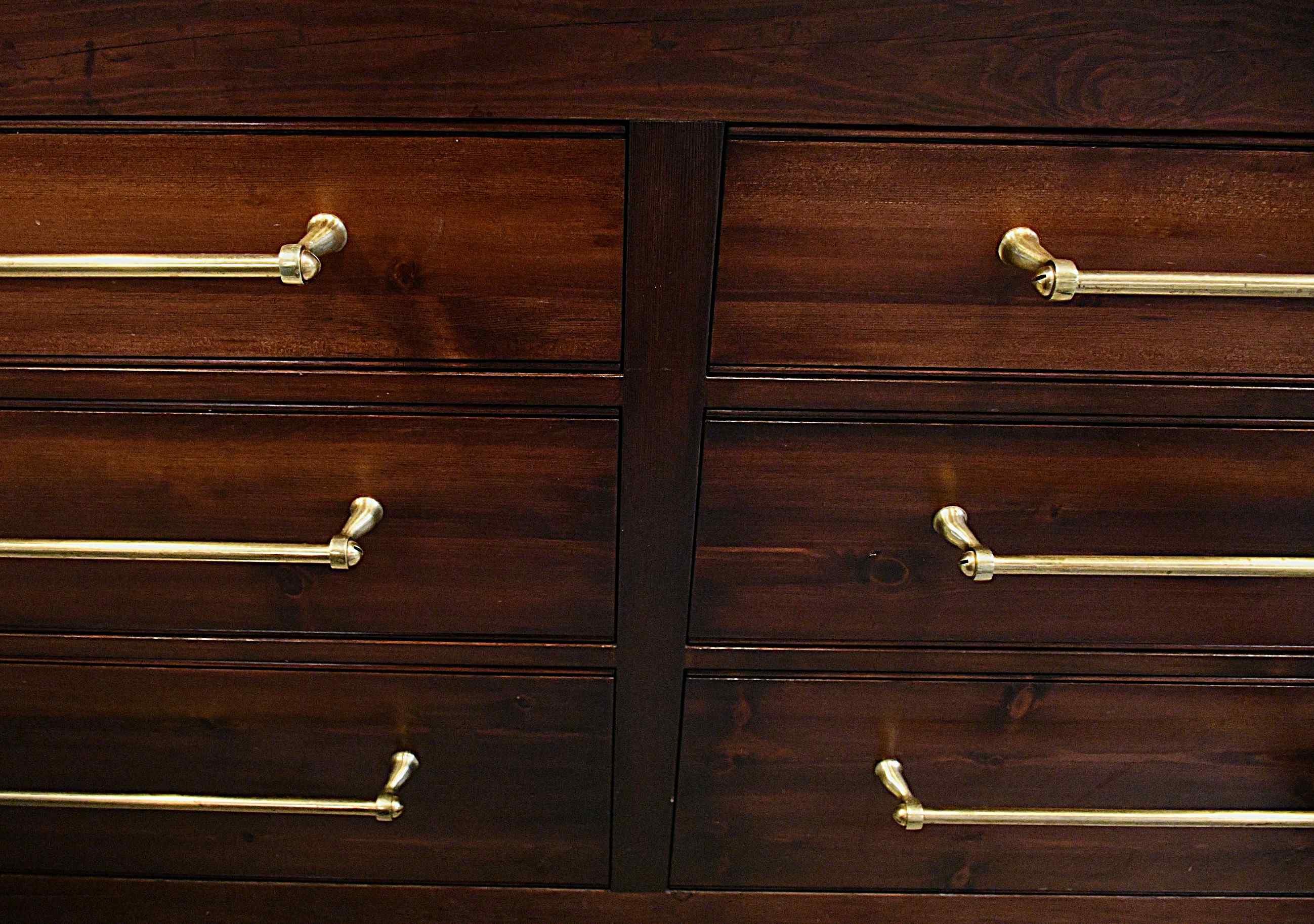
We have also used some quirky items such as a splendid Victorian toilet lock and some Georgian knobs on the Front door to finish off my homage to the Georgian architecture of Hingham, but my favourite elements are our handles that we have used on the kitchen drawers. The drawers are quite large and required a long handle for the practicality and ease of opening. I had in my tap spares a number of mixer tap change over levers. There used to be an old Birmingham manufacturer of taps called Samuel Booth. They manufactured traditional bath shower mixer taps up until the end of the last millennium. When they stopped making taps I purchased from them a large number of spare parts, including some change over lever mechanisms. I used these parts as the mounts for our drawer handles and married them to some brass round stair rods. We had the engineer then manufacture some dome head machine screws to fix the whole thing together and, I believe, the result is a triumph of re-use.
ANTIQUES & SOFT FURNISHINGS
I believe that it is extremely important to preserve traditional crafts and skills. We, when we had the shop, stocked many items made by local blacksmiths and cabinet makers. However, along side this love one off bespoke items, I cannot see why one would buy new mass produced furniture. There is so many antique pieces of such quality available to buy, some of it cheap, at auction, on online websites and in antique shops, and all with great character. We all know that antiques are green and buying at auction can be great fun.

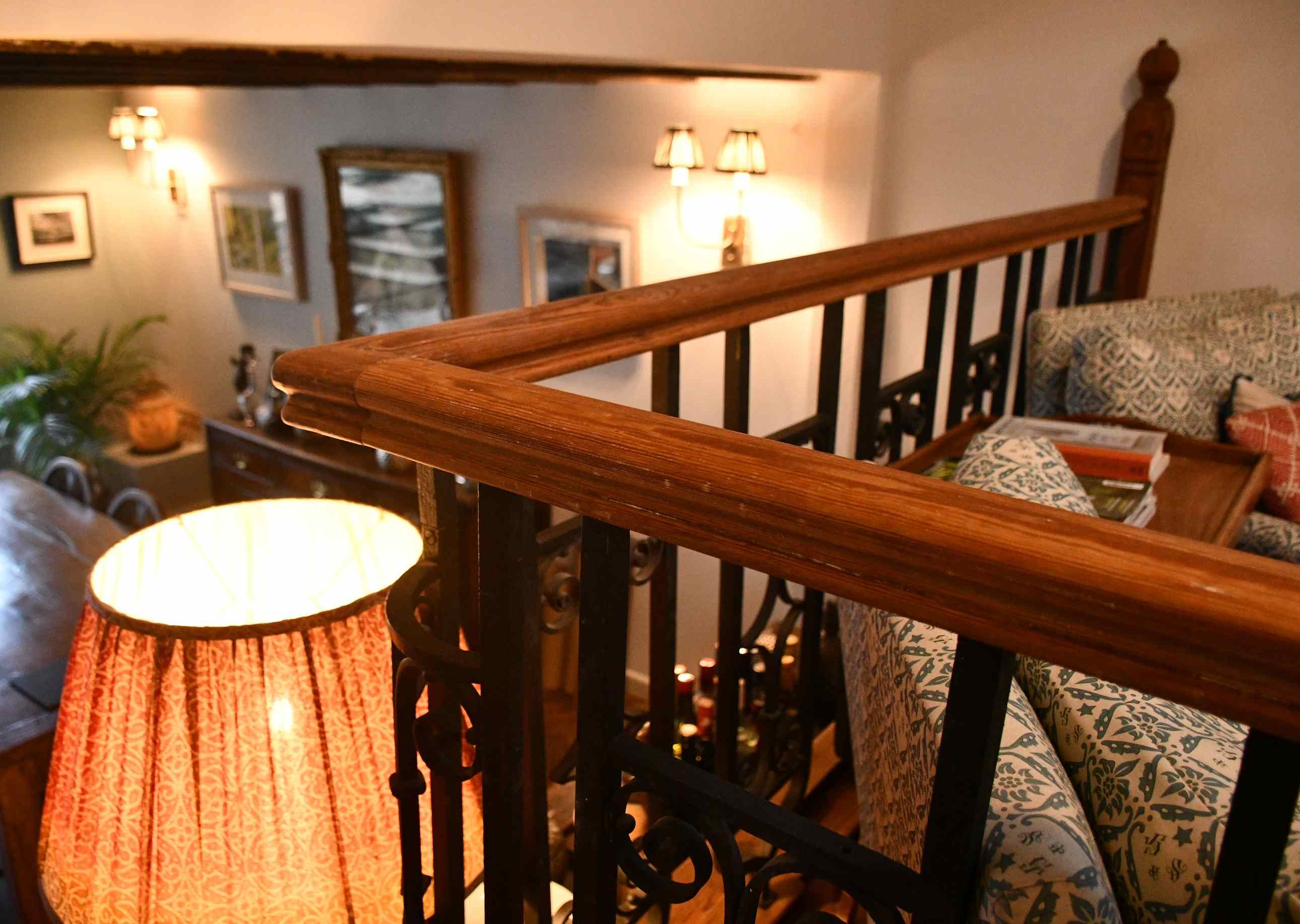
We have purchased a few pieces for the house. A pair of Danish leather sofas, an oak sideboard and a linen press (necessary after we realised the linen cupboard had been filled by the water tank and plumbing to the underfloor heating system, leaving no space for linen!) but most of the furniture consists of items from our previous property and other pieces acquired over a period of time.
Louise has been busy showing off her upholstery and sewing skills. She has repurposed a coffee table as a foot stool covered with fabric, upholstered some reclaimed oak stools and repurposed curtains purchased from eBay. She has also made lamp shades from antique sari fabric.
SHOWER SCREENS
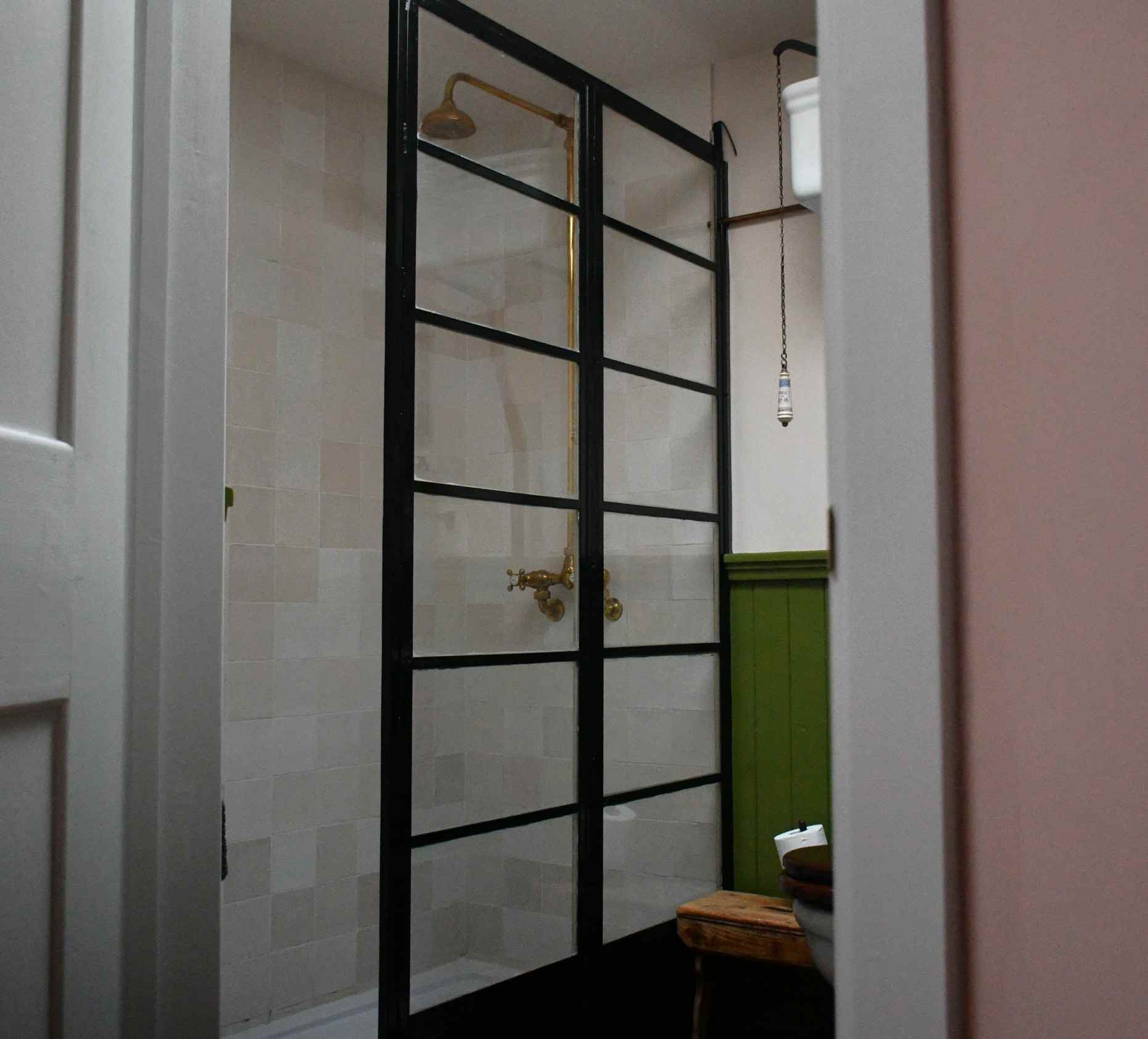
The iconic firm of Crittal, who are still manufacturing in Essex, commenced making steel framed windows in 1849. I certain that the Crittal window is familiar to all of us and thousands are still in industrial building all over this country, as well as being popular with architects of the Art Deco movement. However, they have always been difficult items to salvage. They are not practical to reuse as exterior doors or windows where modern u-values of insulation are important. We had some old doors in the yard and I thought it might be a way to achieve part reclaimed shower screens, would be to repurpose the Critttal doors.
The doors were welded together to form a screen and powdercoated. Then they were re-glazed. This was not the cheapest shower screen available. Probably costing as much as having something made bespoke, which does go to show that not all reclamation is necessarily the cheapest option and sometimes we need to pay a bit more to reduce waste and achieve our green ambitions.